

Vivaldi played back at half speed. Classical music stretched into something almost physical.
Music: Vivaldi in slo-mo

Pure cricket song from a warm summer night. The oldest natural sedative known to man.
Nature Bath: Crickets

Mindfulness: Watch in Silence

Stretch: Stay at Your Desk

Breathwork: 4-4-4 Method

Meditation: Calm Anxiety

Meditation: Body Scan

Sound bath: Singing bowls

Affirmations: Build Confidence

Nature bath: Sound of Dolphins

Yin Yoga: Legs Up the Wall

Mindfulness: Notice

Nature bath: Enjoy the Forest

Sound Bath: Get support

Breathwork: Release tension

Stretch: Expand your body

Nature Bath: Beaches and Waves

Nature bath: Cute Kittens

Yin yoga: The caterpillar pose

Affirmations: Gratitude
Handle Stress Tips


Stress was never meant to stay
Your stress response was built for short bursts — a few minutes, then back to calm. But modern work rarely lets it switch off. Deadlines, pressure and endless to-do lists keep it running for months, and that's when stress turns from fuel into something that wears you down: exhaustion, anxiety, headaches, tense muscles and a short fuse.
You're not alone in this. Around 79% of people worldwide say they feel stressed, and 37–41% feel it on any given day. That's billions of us, all in the same boat.
The science of short pauses
You don't need to retreat for a week to feel different. A large body of research shows that brief interventions — often just 3 to 10 minutes — can create real, measurable shifts in stress physiology and cognitive function.
Power Pause is built on exactly these mechanisms.
1. Short breathing interventions can change your physiology within minutes
- • Slow, controlled breathing increases parasympathetic (vagal) activity and improves heart rate variability (HRV), a key marker of stress resilience.
- • A review in Frontiers in Human Neuroscience found that controlled breathing techniques can rapidly influence the autonomic nervous system and emotional regulation.
- • Even brief breathing protocols (around 5 minutes) have been shown to increase HRV and reduce perceived stress.
2. Short mindfulness sessions affect brain function and stress
- • A study from Carnegie Mellon University (2013) showed that just 3 days of short mindfulness training reduced stress and improved coping.
- • Neuroimaging research shows that even brief mindfulness practice can reduce activity in the amygdala and improve regulation from the prefrontal cortex.
3. Music can lower stress markers within minutes
- • Research published in PLOS ONE (2013) found that listening to relaxing music reduces cortisol levels and heart rate after stress exposure.
- • Effects were observed after short listening periods, not long sessions.
4. Nature exposure has rapid effects on stress physiology
- • A study in Frontiers in Psychology (2019) found that as little as 10–20 minutes in nature significantly lowered cortisol levels.
- • Even shorter exposure to natural stimuli (including videos or images) has been shown to reduce stress and mental fatigue.
5. Micro-breaks improve performance and reduce fatigue
- • Research in Journal of Applied Psychology shows that short breaks during work improve focus, reduce fatigue, and sustain performance across the day.
- • Even very brief breaks can restore attention and reduce cognitive overload.
Stress carries a quiet price tag
Globally, about 40% of people feel stressed for much of their day. In 2025, low engagement cost the world economy around $10 trillion in lost productivity — roughly 9% of GDP, according to Gallup. Stress isn't only a personal weight; it's an economic one too.
Meet our founder
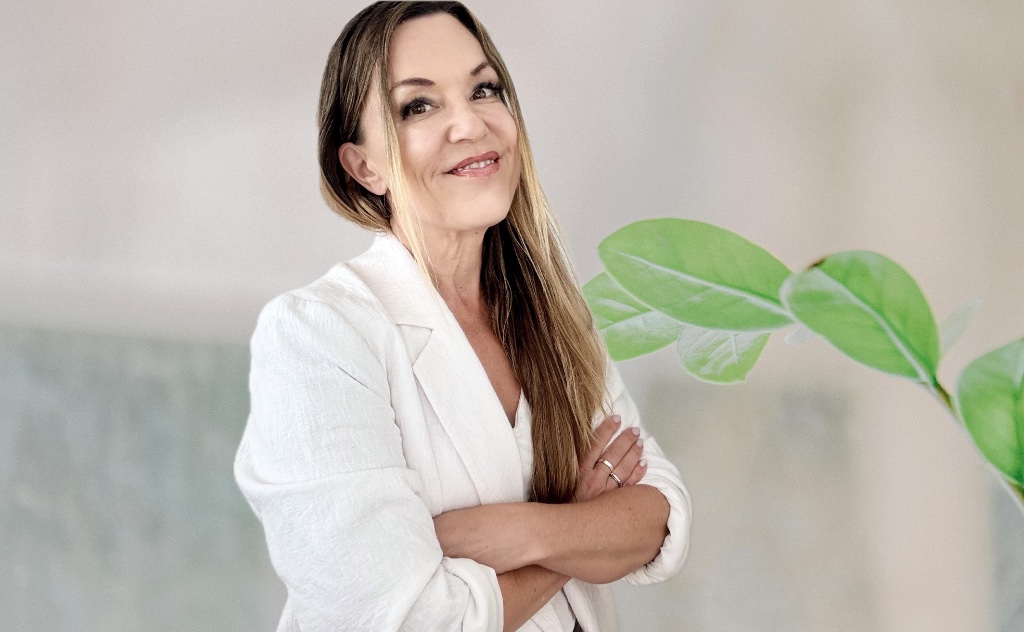
I'm Carolin Dahlman, a Swedish political journalist who has lived most of my life in high-pressure environments. For decades, I've worked as a political debater – which includes fast deadlines, constant public scrutiny, endless performance demands.
For a long time I pushed hard, rushed and stressed. As a result I made mistakes, and sometimes damaged relationships simply because I never paused.
Everything changed when I discovered how a short, intentional power pause could reset my mind, calm my body, sharpen my focus, and restore my energy — even on the busiest days. Those tiny moments have transformed my ability to perform, communicate, lead, and stay emotionally balanced.
I still love the hectic lifestyle, but now I can handle it — and I'm more productive than ever.
I created Power Pause to Perform to help other ambitious professionals, leaders, and high achievers experience the same transformation.
My mission is simple: give busy people a fast, effective way to reduce stress, stay strong, and sustain success — in just five minutes.
Power Pause blends neuroscience, psychology, and simple daily rituals designed for real life. Not woo-woo. Not slow. Not unrealistic.
Just powerful, practical tools for people with big goals, big responsibilities, and big dreams.
Because when high performers stay strong, they don't just survive — they excel.
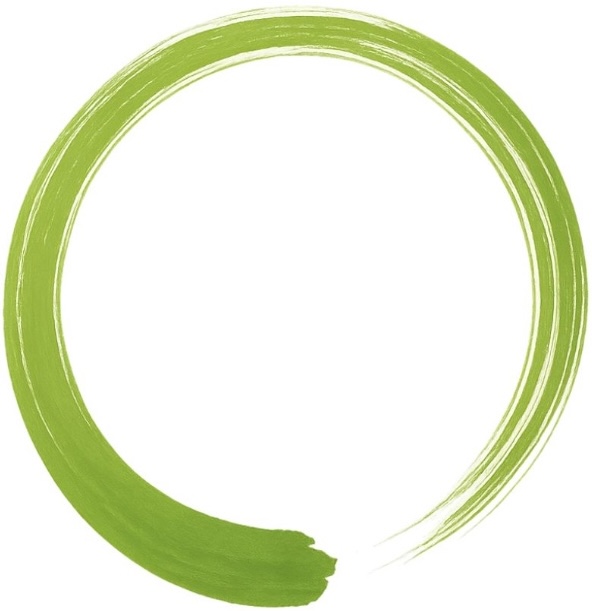
Our logo is a green Enso.
In Zen Buddhism, the Enso symbolizes enlightenment, strength, elegance, and the universe — created in one fluid brushstroke.
The open circle represents growth and movement, and the beauty of what is still becoming.
Green reflects healthy vitality and sustainable energy — strength that lasts, and calm focus without burnout.
You are always expanding. Growth doesn't require perfection — it means you're on your way.
week