

A compassionate meditation to help you process grief, disappointment, or the ache of losing something important – without judgment, just gentle support.
Meditation: Handle loss

A short energizing breathwork session. Inhale through the nostrils down into the belly, then exhale by gently pushing the belly back in. This simple, rhythmic technique gently wakes up the body and clears mental fog.
Breathwork: Get More Energy

Stretch: Stay at Your Desk

Breathwork: 4-4-4 Method

Meditation: Calm Anxiety

Meditation: Body Scan

Sound bath: Singing bowls

Affirmations: Build Confidence

Nature bath: Sound of Dolphins

Yin Yoga: Legs Up the Wall

Mindfulness: Notice

Sound Bath: Get support

Nature bath: Enjoy the Forest

Breathwork: Release tension

Stretch: Expand your body

Nature Bath: Beaches and Waves

Nature bath: Cute Kittens

Yin yoga: The caterpillar pose

Affirmations: Gratitude

Meditation: Guided for You
Handle Stress Tips


Stress was never meant to stay
Your stress response was built for short bursts — a few minutes, then back to calm. But modern work rarely lets it switch off. Deadlines, pressure and endless to-do lists keep it running for months, and that's when stress turns from fuel into something that wears you down: exhaustion, anxiety, headaches, tense muscles and a short fuse.
You're not alone in this. Around 79% of people worldwide say they feel stressed, and 37–41% feel it on any given day. That's billions of us, all in the same boat.
The science of short pauses
You don't need to retreat for a week to feel different. A large body of research shows that brief interventions — often just 3 to 10 minutes — can create real, measurable shifts in stress physiology and cognitive function.
Power Pause is built on exactly these mechanisms.
1. Short breathing interventions can change your physiology within minutes
- • Slow, controlled breathing increases parasympathetic (vagal) activity and improves heart rate variability (HRV), a key marker of stress resilience.
- • A review in Frontiers in Human Neuroscience found that controlled breathing techniques can rapidly influence the autonomic nervous system and emotional regulation.
- • Even brief breathing protocols (around 5 minutes) have been shown to increase HRV and reduce perceived stress.
2. Short mindfulness sessions affect brain function and stress
- • A study from Carnegie Mellon University (2013) showed that just 3 days of short mindfulness training reduced stress and improved coping.
- • Neuroimaging research shows that even brief mindfulness practice can reduce activity in the amygdala and improve regulation from the prefrontal cortex.
3. Music can lower stress markers within minutes
- • Research published in PLOS ONE (2013) found that listening to relaxing music reduces cortisol levels and heart rate after stress exposure.
- • Effects were observed after short listening periods, not long sessions.
4. Nature exposure has rapid effects on stress physiology
- • A study in Frontiers in Psychology (2019) found that as little as 10–20 minutes in nature significantly lowered cortisol levels.
- • Even shorter exposure to natural stimuli (including videos or images) has been shown to reduce stress and mental fatigue.
5. Micro-breaks improve performance and reduce fatigue
- • Research in Journal of Applied Psychology shows that short breaks during work improve focus, reduce fatigue, and sustain performance across the day.
- • Even very brief breaks can restore attention and reduce cognitive overload.
Stress carries a quiet price tag
Globally, about 40% of people feel stressed for much of their day. In 2025, low engagement cost the world economy around $10 trillion in lost productivity — roughly 9% of GDP, according to Gallup. Stress isn't only a personal weight; it's an economic one too.
Meet our founder

I'm Carolin Dahlman, a Swedish political journalist who has lived most of my life in high-pressure environments. For decades, I've worked as a political debater – which includes fast deadlines, constant public scrutiny, endless performance demands.
For a long time I pushed hard, rushed and stressed. As a result I made mistakes, and sometimes damaged relationships simply because I never paused.
Everything changed when I discovered how a short, intentional power pause could reset my mind, calm my body, sharpen my focus, and restore my energy — even on the busiest days. Those tiny moments have transformed my ability to perform, communicate, lead, and stay emotionally balanced.
I still love the hectic lifestyle, but now I can handle it — and I'm more productive than ever.
I created Power Pause to Perform to help other ambitious professionals, leaders, and high achievers experience the same transformation.
My mission is simple: give busy people a fast, effective way to reduce stress, stay strong, and sustain success — in just five minutes.
Power Pause blends neuroscience, psychology, and simple daily rituals designed for real life. Not woo-woo. Not slow. Not unrealistic.
Just powerful, practical tools for people with big goals, big responsibilities, and big dreams.
Because when high performers stay strong, they don't just survive — they excel.
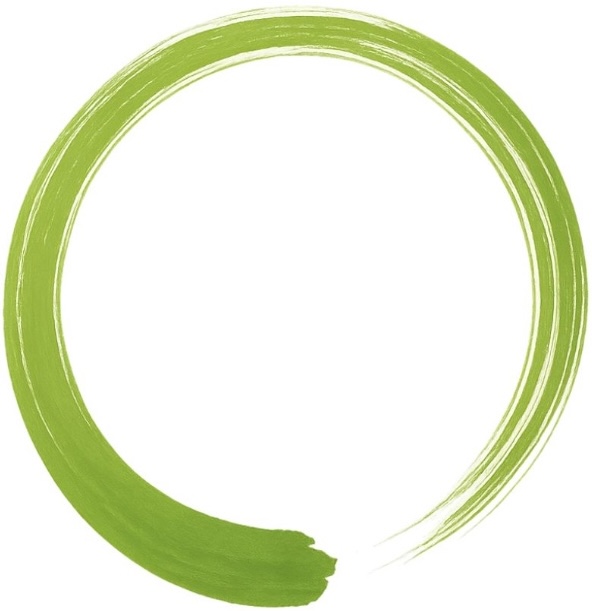
Our logo is a green Enso.
In Zen Buddhism, the Enso symbolizes enlightenment, strength, elegance, and the universe — created in one fluid brushstroke.
The open circle represents growth and movement, and the beauty of what is still becoming.
Green reflects healthy vitality and sustainable energy — strength that lasts, and calm focus without burnout.
You are always expanding. Growth doesn't require perfection — it means you're on your way.
week